
Understanding Copper Peptides, Uses, Benefits and Research
Introduction: What Is GHK-Cu?
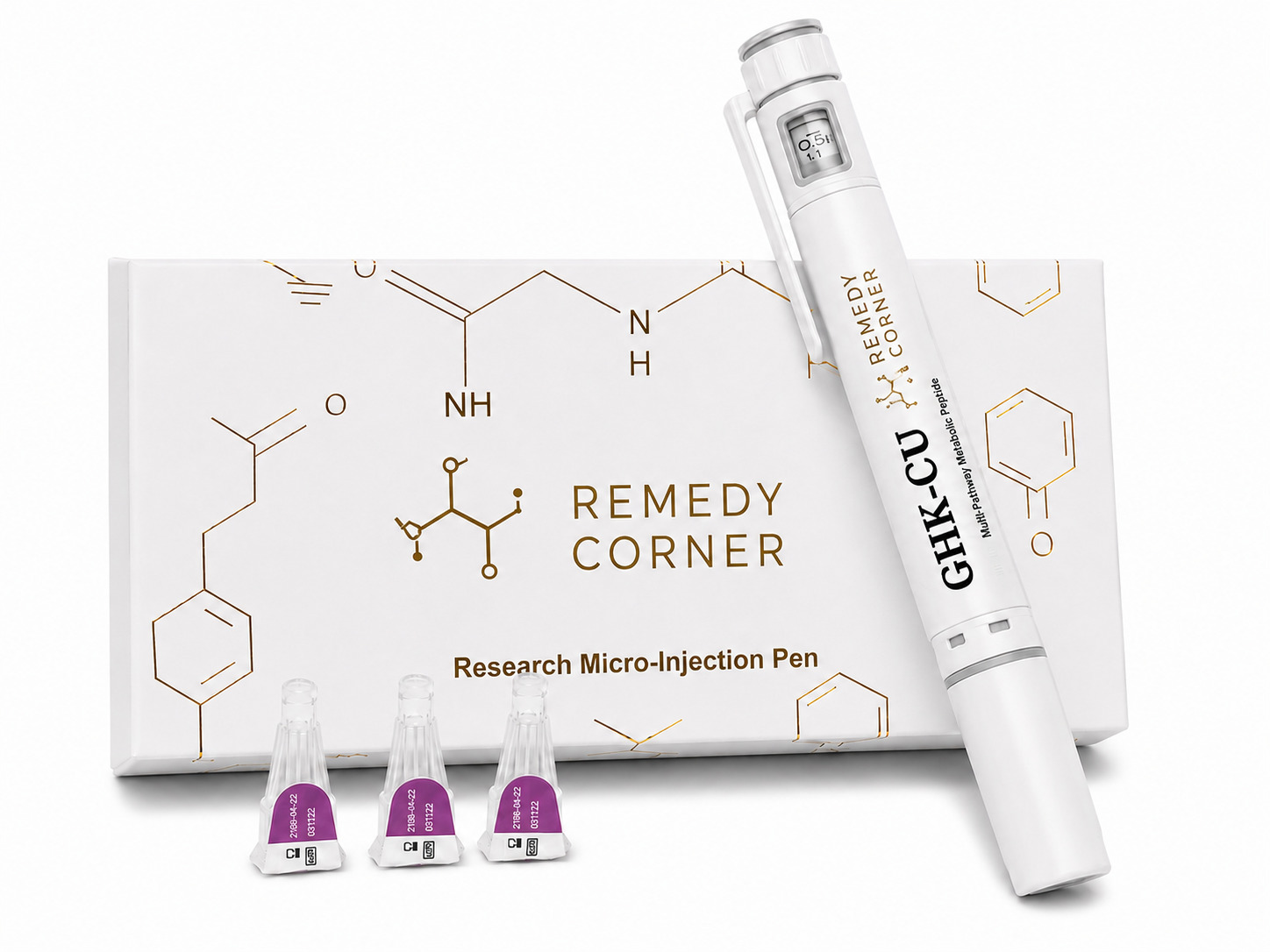
GHK-Cu, also known as GHK-Cu peptide or copper peptide GHK-Cu, is a naturally occurring peptide complex that has attracted growing interest in scientific research, skincare, and wellness communities.
Peptides are small chains of amino acids that play important roles in biological communication within the body. GHK-Cu is a specific type of peptide that naturally binds with copper, creating a copper peptide complex that has been studied for its involvement in cellular processes.
As interest in peptides continues to increase, many people are searching for information about GHK CU, including what it is, how it works, its potential applications, and why copper peptides are widely researched.
This guide provides an overview of GHK-Cu peptide research and explains what makes this peptide one of the most discussed copper peptides in modern science.
What Does GHK-Cu Stand For?
GHK-Cu is made up of three amino acids:
- Glycine
- Histidine
- Lysine
Together, these amino acids form the peptide known as GHK. When combined with copper (Cu), it creates the copper peptide complex known as GHK-Cu.
Copper is an essential mineral involved in many natural biological processes. The ability of GHK to bind with copper is one reason researchers have investigated this peptide and its potential role in cellular activity.
How Does GHK-Cu Peptide Work?
GHK-Cu has been studied because peptides can act as signalling molecules. In biological systems, signalling molecules help cells communicate and respond to their surrounding environment.
Research into GHK-Cu has focused on several areas, including:
- Cellular communication
- Copper-related biological activity
- Skin-related processes
- Collagen and extracellular matrix research
- Tissue biology
Rather than acting like traditional medications, peptides such as GHK-Cu are generally researched for their interaction with natural biological pathways.
The exact effects of GHK-Cu can depend on factors such as formulation, concentration, method of use, and individual differences.
Why Are GHK-Cu Peptides Popular?
Interest in GHK-Cu peptides has grown significantly because of research surrounding copper peptides and their relationship with skin and cellular health.
Many people searching for GHK CU are interested in understanding why this peptide appears in discussions about:
- Skincare science
- Cosmetic research
- Peptide technology
- Healthy ageing research
The popularity of GHK-Cu has also increased because peptides have become a major area of interest in modern wellness and scientific research.
GHK-Cu and Skin Research
One of the most recognised areas of GHK-Cu research is related to skin science.
The skin naturally changes over time due to factors such as:
- Ageing
- Environmental exposure
- Lifestyle factors
- Natural changes in collagen and skin structure
Copper peptides have been studied in relation to skin-supporting processes, including research into collagen-related pathways and extracellular matrix activity.
Many cosmetic products use copper peptide ingredients because of their popularity within skincare research.
However, individual results can vary, and cosmetic ingredients should not be considered replacements for medical treatments.
GHK-Cu Peptide and Collagen Research
Collagen is a structural protein that contributes to the strength and appearance of skin and connective tissues.
Research into GHK-Cu has explored its relationship with collagen-related biological activity and how peptides may influence cellular processes involved in maintaining skin structure.
This research has contributed to the popularity of copper peptides in:
- Advanced skincare products
- Cosmetic formulations
- Anti-ageing research discussions
It is important to understand that research findings do not always translate directly into guaranteed outcomes for every individual.
GHK-Cu and Hair Research
Another area where GHK-Cu has received attention is hair-related research.
Scientists have explored the relationship between copper peptides and biological processes associated with skin and hair follicles.
Because hair growth involves many complex factors, including genetics, hormones, nutrition, and overall health, no single peptide should be viewed as a guaranteed solution for hair concerns.
Research into peptides continues to develop, and new studies help improve understanding of how these compounds interact with biological systems.
Understanding Copper Peptides
Copper peptides are a group of peptides that interact with copper ions.
GHK-Cu is one of the most recognised copper peptides because it naturally occurs in the human body and has been widely studied.
Other areas of interest surrounding copper peptides include:
- Cosmetic science
- Dermatology research
- Cellular biology
- Biotechnology
The growing interest in copper peptides reflects a wider trend toward understanding how naturally occurring compounds may interact with biological processes.
GHK-Cu Peptide vs Other Peptides
There are many different peptides researched today, and each peptide has unique properties.
Examples include:
GHK-Cu
Research interest:
- Copper-binding peptide
- Skin-related research
- Cellular signalling studies
Other Research Peptides
Different peptides may be investigated for different scientific purposes, including research into tissue biology, recovery processes, or metabolic pathways.
The purpose, quality, and regulatory status of each peptide can vary significantly.
Are GHK-Cu Peptides Safe?
When researching any peptide, it is important to consider quality, responsible sourcing, and appropriate information.
Important considerations include:
- Understanding the intended use of a product
- Checking product quality information
- Following manufacturer guidance
- Consulting a qualified healthcare professional when necessary
The safety and suitability of any substance can depend on individual circumstances, including existing health conditions, medications, and personal factors.
How to Choose Quality Peptide Information
With increasing interest in peptides, consumers may encounter a wide range of information online.
Reliable peptide information should focus on:
Transparency
Look for clear information about ingredients, research background, and intended purpose.
Education
Trusted healthcare websites should provide understandable explanations rather than unrealistic promises.
Responsible Information
Scientific research should be presented accurately, including both potential areas of interest and limitations.
Why Learn About GHK-Cu from Remedy Corner?
At Remedy Corner, our goal is to provide clear and accessible healthcare information that helps people better understand modern wellness topics.
We believe informed decisions begin with reliable information.
Our educational resources focus on:
- Clear explanations
- Research-based information
- Consumer awareness
- Responsible healthcare discussions
Understanding peptides such as GHK-Cu can help people become more informed about emerging areas of science and wellness.
Frequently Asked Questions About GHK-Cu
What is GHK-Cu peptide?
GHK-Cu is a copper-binding peptide made from three amino acids: glycine, histidine, and lysine. It has been studied for its role in cellular communication and copper-related biological processes.
What does GHK-Cu mean?
GHK-Cu refers to the GHK peptide combined with copper (Cu), creating a copper peptide complex.
Why are copper peptides researched?
Copper peptides are researched because of their involvement in biological signalling and their relationship with processes studied in skin and cellular science.
Is GHK-Cu the same as copper?
No. GHK-Cu is a peptide complex where copper is bound to the GHK peptide structure.
Are GHK-Cu peptides medicines?
GHK-Cu is a peptide compound studied in scientific and cosmetic research. Its classification and approved uses depend on regulatory requirements and intended application.
Where can I learn more about peptides?
Learning from reliable healthcare and scientific resources can help consumers better understand peptides, their research background, and their potential applications.
Final Thoughts
GHK-Cu has become one of the most discussed copper peptides due to ongoing interest in peptide science, skincare research, and cellular biology.
While research continues to explore the potential applications of GHK-Cu, understanding what peptides are, how they work, and what current research shows is essential for making informed decisions.
As interest in peptides grows, accurate education and responsible information remain important for anyone researching compounds such as GHK CU, GHK-Cu peptide, and other peptide technologies.
Reviews
There are no reviews yet.