
MDMA (Ecstasy): Understanding What People Search For and Important Facts to Know
Searches related to MDMA (Ecstasy) are common across the internet. People may look up information about MDMA because of curiosity, academic research, health concerns, or a desire to better understand the risks associated with recreational substances.
Although phrases such as “buy MDMA (Ecstasy)” appear frequently in search engines, MDMA is a controlled substance in many countries. Outside of approved scientific or medical research settings, it is generally illegal to purchase, possess, or distribute.
This guide takes an educational and harm-reduction approach by explaining what MDMA is, how it is discussed online, and why related search terms often appear alongside drug and pharmaceutical topics.
Some searches may also include unrelated terms such as Mounjaro, Ozempic, Xanax, ivermectin, Adderall tablets, Farmapram, Fenbendazole, or “buy Nembutal USA.” These terms often appear together because search engines group broad health, medication, and substance-related topics. They do not indicate that these products are chemically or medically connected to MDMA.
The purpose of this article is to provide accurate information, reduce misinformation, and help readers understand the potential risks associated with MDMA.
MDMA vs Molly: What Is the Difference?
One of the most common questions people search is MDMA vs Molly. While these terms are often used interchangeably, they can have different meanings depending on the context.
MDMA
MDMA stands for 3,4-methylenedioxymethamphetamine. It is a synthetic substance known for producing stimulant and empathogenic effects, including changes in mood, emotional connection, and sensory perception.
MDMA may appear in different forms, including:
- Tablets
- Capsules
- Crystalline material
- Powder
Because illegal markets are unregulated, substances sold as MDMA may contain unexpected ingredients or contaminants.
Molly
“Molly” is a slang term often used to describe what is claimed to be pure or crystalline MDMA.
It is commonly marketed as a cleaner or more reliable form of MDMA. However, the name does not guarantee purity. Substances sold as “molly” may contain other compounds, including:
- Caffeine
- Synthetic stimulants
- Ketamine
- Methamphetamine
- Other unknown substances
Because appearance and labels cannot confirm what a substance contains, understanding the risks and limitations of unregulated products is important.
What Does Molly MDMA Look Like?
Many people search “what does molly MDMA look like” because they want to understand how the substance is commonly presented.
However, appearance alone cannot determine whether a substance is authentic or safe.
Common forms may include:
Crystals
Often described as clear, white, beige, or off-white fragments.
Powder
May appear white, gray, brown, pinkish, or mixed in texture.
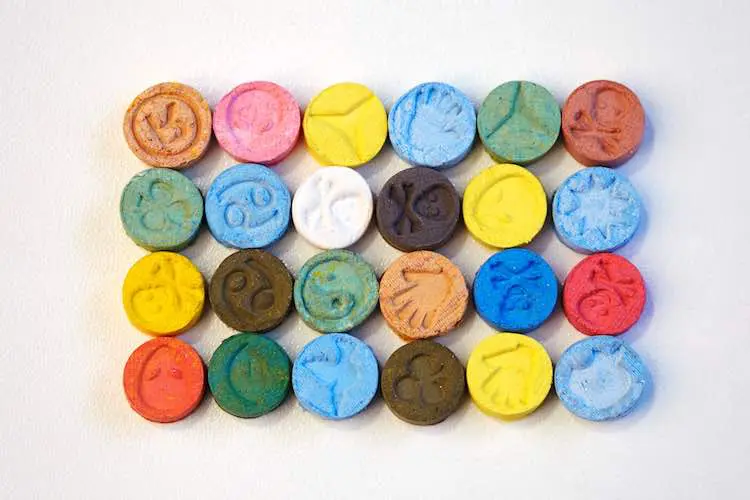
Tablets (Ecstasy Pills)
Usually compressed tablets that may come in different colors and may contain logos or designs.
Capsules
Gel capsules filled with powder or crystalline material.
Because illegal substances are produced without consistent quality control, the contents can vary significantly. Health professionals often emphasize that visual identification is unreliable and that mixing substances can increase health risks.
MDMA and Sexual Behavior: Understanding Online Discussions
The phrase “MDMA porn” appears in online searches because some people are interested in discussions about MDMA, intimacy, and sexual experiences.
MDMA is sometimes associated with increased emotional openness, heightened sensations, and reduced inhibitions. However, online portrayals can be misleading and may not reflect the risks involved.
Possible effects may include:
- Increased feelings of closeness or empathy
- Changes in perception and mood
- Reduced judgment and decision-making ability
- Increased vulnerability in certain situations
Risks associated with combining substances and sexual activity may include:
- Difficulty making informed decisions
- Consent-related concerns
- Increased vulnerability
- Dehydration or overheating during prolonged activity
Any discussion involving substances and sexual behavior should emphasize safety, awareness, and the importance of clear consent.
Ecstasy vs MDMA: Understanding the Terminology
Another common search topic is Ecstasy vs MDMA.
Although many people use the terms interchangeably, there is an important distinction.
MDMA
- Refers to the specific chemical compound 3,4-methylenedioxymethamphetamine
- Can produce stimulant and empathogenic effects
- May be found in different physical forms
Ecstasy
- Commonly refers to tablets sold as containing MDMA
- May contain MDMA, other substances, or unknown ingredients
Ecstasy tablets obtained through illegal markets may contain unexpected compounds such as:
- Other stimulants
- Caffeine
- Novel psychoactive substances
- Other contaminants
Because the contents are unpredictable, the risks can vary from one product to another.
How Long Does MDMA Stay in Your System?
Many people search for information about how long MDMA stays in your system for health, medical, or general awareness reasons.
Detection times can vary depending on several factors, including metabolism, frequency of use, dosage, body composition, and other substances involved.
General detection ranges may include:
- Blood: approximately 1–2 days
- Urine: commonly several days
- Saliva: around 1–2 days
- Hair: potentially several months
These timeframes are estimates and can vary significantly between individuals.
MDMA is processed mainly by the liver, and combining it with alcohol, prescription medications, or other substances may increase health risks and affect how the body responds.
Why Do Other Drug and Medication Keywords Appear With MDMA Searches?
People searching for MDMA-related information may also encounter unrelated terms such as:
- Mounjaro
- Ozempic
- Xanax
- Ivermectin
- Adderall tablets
- Farmapram
- Fenbendazole
- “Buy Nembutal USA”
This happens because search engines often connect topics based on user behavior, website categories, and broad pharmaceutical or health-related searches.
These products do not share the same chemical properties, medical purposes, or effects as MDMA. Their appearance alongside MDMA-related content is usually a result of search indexing patterns rather than a meaningful relationship.
Final Thoughts
Online searches about MDMA (Ecstasy) often come from curiosity, education, research, or concerns about substance use. While topics such as MDMA vs Molly, what molly looks like, MDMA and sexual behavior, Ecstasy vs MDMA, and how long MDMA stays in your system are widely discussed, accurate information is essential.
MDMA remains a controlled substance in many regions, and products obtained through illegal markets can carry significant risks due to unknown contents and unpredictable strength.
Understanding the facts, recognizing misinformation, and approaching substance-related topics with awareness can help people make more informed decisions.
Reviews
There are no reviews yet.